
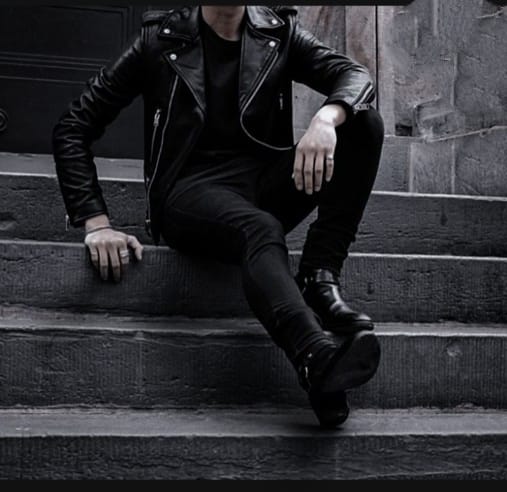
Leather is one of the most versatile and luxurious materials available, often sought for its durability, comfort, and timeless appeal. But what truly sets leather apart is its texture—the surface feel and visual patterns that make each piece unique. Understanding leather texture requires exploring the different grains, finishes, and treatments that influence its appearance and quality.
Whether you’re shopping for a leather jacket or furnishing your home, this guide will help you navigate the diverse world of leather textures.
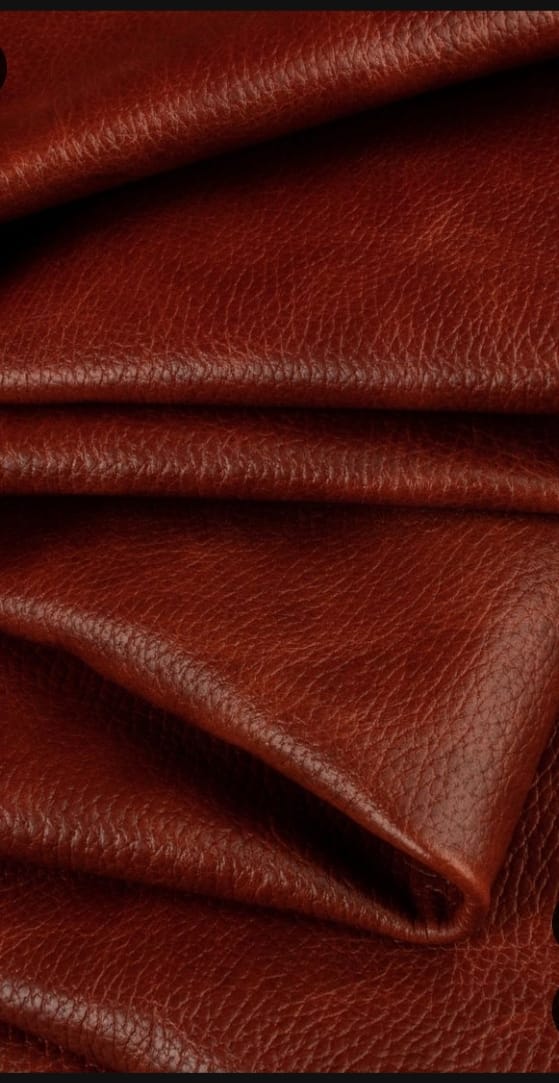
What is Leather Texture?
The texture of leather refers to its surface characteristics, which can range from smooth and silky to rough and rugged. These textures are influenced by the leather’s grain, the type of hide used, and how it is processed. Leather texture is not just about aesthetics—it also impacts the durability, breathability, and use of the material.
Leather Grains: The Foundation of Texture
Leather grain refers to the natural surface of the hide. It plays a pivotal role in determining texture, strength, and quality. Here’s a breakdown of the most common types of leather grains:
Full-Grain Leather
- Texture: Natural, slightly uneven, with visible imperfections like scars or pores.
- Features: Retains the outermost layer of the hide, preserving its toughness and breathability.
- Uses: High-end jackets, furniture, and luxury goods.
Top-Grain Leather
- Texture: Smooth and refined, often achieved by sanding the surface.
- Features: Slightly thinner than full-grain, it’s less natural but more resistant to stains.
- Uses: Fashionable goods like leather jackets, handbags, and upholstery.
Genuine Leather
- Texture: Uniform, often embossed to mimic higher-quality grains.
- Features: Made from the lower layers of the hide, it’s more affordable but less durable.
- Uses: Budget-friendly accessories and products.
Corrected-Grain Leather
- Texture: Artificially smooth or embossed with specific patterns.
- Features: Imperfections are removed and replaced with stamped designs.
- Uses: Commercial furniture, belts, and shoes.
Leather Textures: Beyond the Grain
Leather can be further altered to create unique textures, adding depth and character to the material. Here are some popular leather textures:
Pebbled Leather
- Description: Features a raised, bumpy surface resembling small pebbles.
- Benefits: Resistant to scratches and stains, making it ideal for everyday use.
Embossed Leather
- Description: Stamped with patterns like crocodile, snakeskin, or floral designs.
- Benefits: Adds style and personality to leather without using exotic hides.
Smooth Leather
- Description: Polished for a sleek, glossy finish.
- Benefits: Offers a sophisticated and modern appearance.
Suede
- Description: A soft, velvety texture created by sanding the underside of the hide.
- Benefits: Lightweight and comfortable, perfect for shoes and casual jackets.
Nubuck
- Description: Similar to suede but made from the outer layer of the hide, giving it a finer texture.
- Benefits: Soft yet durable, ideal for premium products.
Leather Finishes: Adding the Final Touch
The finish applied to leather impacts both its texture and function. Here’s a look at some common finishes:
Aniline Finish
- Features: Minimal coating, preserving the natural texture and imperfections.
- Pros: Breathable and luxurious.
- Cons: Prone to stains and fading.
Semi-Aniline Finish
- Features: A light protective coating with enhanced durability.
- Pros: Balanced natural appearance with stain resistance.
- Cons: Slightly less authentic than full aniline.
Pigmented Finish
- Features: Heavy coating that conceals imperfections.
- Pros: Highly durable and resistant to wear.
- Cons: Less natural texture.
Patent Leather
- Features: High-gloss finish achieved through a lacquer coating.
- Pros: Eye-catching and waterproof.
- Cons: Rigid and less breathable.
Choosing the Right Leather Texture for You
When selecting leather, consider your priorities:
- Durability: Full-grain leather and pebbled textures are ideal for rugged use.
- Luxury: Look for aniline finishes or nubuck for a premium feel.
- Style: Embossed leather or patent finishes offer unique aesthetics.
- Practicality: Top-grain leather with a semi-aniline finish provides a balance between beauty and resilience.

Conclusion
Leather texture is more than just a surface characteristic; it reflects the material’s origin, craftsmanship, and intended use. From natural full-grain leather to embossed patterns, the world of leather offers endless possibilities to suit your style and needs.
Next time you shop for a leather jacket or accessory, pay attention to its grain, texture, and finish. By understanding these elements, you’ll make a more informed decision and appreciate the artistry behind this timeless material.
Looking for high-quality leather jackets? Explore our collection of Batman vs Superman and Spider-Man themed designs, crafted to combine style, durability, and character!