

Leather embossing is a technique that has been used for centuries to add texture, designs, and intricate patterns to leather goods. Whether you’re crafting a bespoke wallet, designing a piece of high-end furniture, or simply adding a personalized touch to a leather journal, embossing offers endless possibilities for customization. It is both an art form and a functional process that enhances the aesthetic appeal of leather, making it more unique, stylish, and durable.
In this blog, we will explore everything you need to know about leather embossing, from its history and methods to its various applications, tools, and tips for mastering this craft.
What Is Leather Embossing?
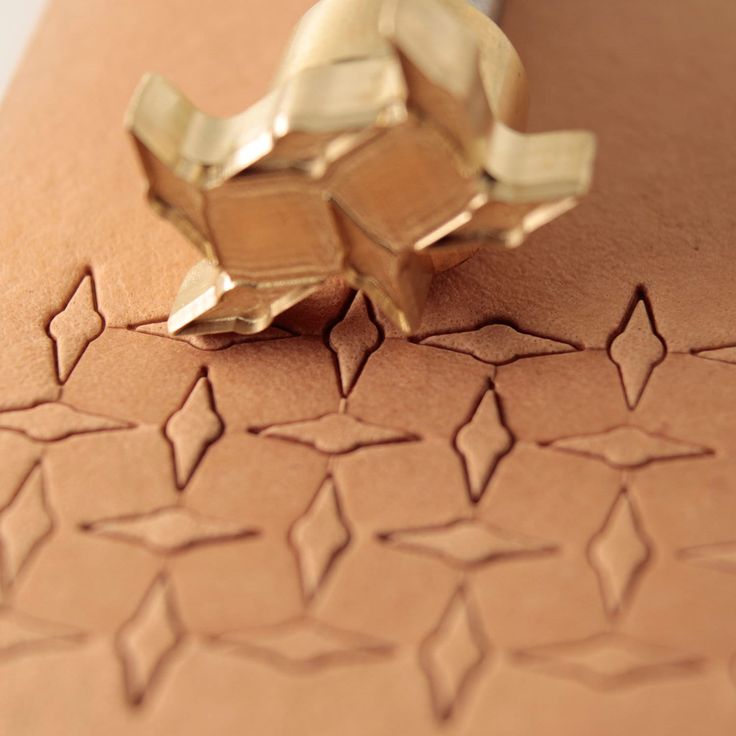
Leather embossing is the process of creating raised or indented designs, patterns, or textures on leather. This technique can be used for decorative purposes, to enhance branding, or to personalize leather products with initials, logos, or other unique elements. The embossing process typically involves pressing a design into the leather with heat and pressure, using specially designed molds or stamps.
The result is a subtle or bold design that stands out against the smooth surface of the leather, adding dimension, texture, and visual interest. Embossing can be done on various types of leather, including cowhide, sheepskin, goatskin, and even synthetic leather.
A Brief History of Leather Embossing
Leather embossing has a rich history that dates back to ancient civilizations. The Egyptians were known to emboss leather, using intricate designs for religious and ceremonial purposes. In medieval Europe, leather embossing was often seen in the creation of decorative book covers, manuscripts, and armor. The technique was also used to mark livestock and as a means of identification.
During the 19th and 20th centuries, as leather goods like luggage, shoes, and furniture became more widespread, embossing evolved to include branding, logos, and ornamental designs. Today, leather embossing remains a popular technique, not only in traditional leatherworking but also in fashion and interior design, where it adds a touch of sophistication and individuality.
Types of Leather Embossing Techniques
There are several techniques used to emboss leather, each creating a different effect. These methods can be categorized based on the tools used, the level of detail, and the desired texture of the embossed design.
1. Handheld Stamping
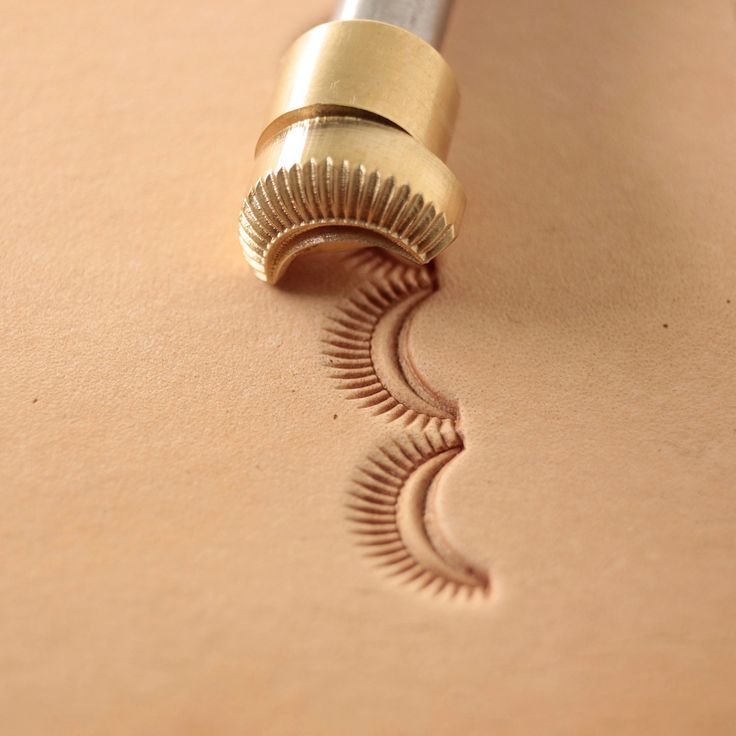
Handheld stamping is one of the most common and accessible methods of embossing leather. This technique involves using a stamp or die to imprint a design onto the leather. The stamp is typically made of metal or brass and can be either heated or cold. After placing the stamp on the leather, the artisan uses a hammer or mallet to press the design into the surface.
Handheld stamping works well for smaller designs, logos, or initials and is ideal for personalizing leather goods such as wallets, belts, or keychains. This technique is also popular for creating rustic, vintage-looking patterns on leather.
2. Heat Press Embossing
Heat press embossing utilizes a heated die or mold that is pressed onto the leather surface. This method creates a crisp, raised design on the leather and is ideal for intricate patterns, logos, or text. The heat helps to soften the leather, allowing the design to be imprinted more deeply.
Heat press embossing is commonly used in industries such as fashion and accessories, where detailed logos or brand names are often embossed onto leather items. It’s also widely used in bookbinding and the production of leather-bound journals and diaries.
3. Blind Embossing
Blind embossing is a technique in which the leather is pressed with a die or mold to create a raised design without the use of any ink or color. This method relies solely on the contrast between the raised design and the smooth surface of the leather. Blind embossing is often used for creating logos, monograms, and other subtle designs that don’t require any additional coloring or pigment.
This technique is frequently used for high-end leather products, such as luxury handbags, belts, and business cardholders, where the design is meant to be understated and elegant.
4. Foil Embossing
Foil embossing involves adding metallic foil to the leather during the embossing process. The foil is applied to the leather with the help of a heated press, and the design is stamped into the leather. The result is a design that has both a raised texture and a shiny metallic finish.
Foil embossing is often used for branding, labels, and high-end products where the metallic effect can enhance the overall appearance and make the item stand out. It’s particularly popular in the fashion industry, where metallic elements add a touch of glamour to leather accessories and clothing.
5. 3D Embossing
3D embossing goes beyond traditional flat designs and creates a more pronounced, dimensional effect on leather. This technique uses deep pressure and specialized molds to achieve intricate and realistic 3D designs. 3D embossing is often used in combination with other techniques, such as heat pressing, to create complex patterns and textures.
This technique is often seen in luxury leather products, automotive interiors, and custom leather creations where a high degree of visual impact and originality is desired.
Common Tools for Leather Embossing
To get started with leather embossing, it’s important to have the right tools. The most commonly used tools in leather embossing include:
1. Embossing Dies
Embossing dies are custom-made molds or stamps that create the desired design or pattern. They can be made from various materials, including steel, brass, and copper. The dies are engraved with the design and then used to press the leather, either with or without heat.
2. Heat Press Machine
A heat press machine is used for heat press embossing. It applies both heat and pressure to the leather, helping to transfer the design from the die to the surface of the material. These machines come in various sizes, from tabletop models for small crafts to industrial presses for large-scale production.
3. Manual Stamp and Mallet
For handheld stamping, a metal stamp (or brass die) is used with a mallet or hammer. The artisan places the stamp on the leather and uses the mallet to strike it, imprinting the design onto the surface. This method is commonly used for simple designs, initials, or logos.
4. Foil Sheets
For foil embossing, foil sheets are applied to the leather before the press is used. These sheets come in various colors and finishes, such as gold, silver, and holographic. The foil bonds to the leather when heat is applied, leaving behind a shiny, metallic design.
Applications of Leather Embossing
Leather embossing is used in a wide variety of industries, from fashion to home décor. Below are some common applications of leather embossing:
1. Fashion and Accessories
Embossing plays a significant role in the fashion industry, where it is used to personalize and brand leather goods such as bags, belts, wallets, and shoes. Luxury brands often use embossing to imprint their logos or distinctive patterns onto leather goods, giving them a unique and recognizable appearance.
2. Bookbinding
Embossing is also widely used in bookbinding, particularly for creating elegant leather covers for journals, diaries, and hardcover books. Custom embossing can be used to add titles, logos, or decorative motifs, making these books more personalized and refined.
3. Furniture and Upholstery
Leather embossing is an excellent way to add texture and dimension to leather furniture or upholstery. Embossed leather can be used to create bespoke patterns or designs on chairs, sofas, or cushions, adding a luxurious touch to the interior decor.
4. Personalized Gifts
Leather embossing is a popular way to create personalized gifts, such as custom wallets, keychains, passport holders, or notebooks. Adding someone’s initials or a special design to a leather item makes it a thoughtful and unique gift that will be cherished for years to come.
5. Automotive Interiors
Some high-end automotive manufacturers use leather embossing to create textured surfaces in vehicle interiors. Embossed leather is commonly used on seats, door panels, and dashboards, where it adds a tactile element to the car’s interior design.
Tips for Mastering Leather Embossing
While leather embossing can seem like a daunting craft, with the right tools and techniques, it’s possible to master the art. Here are some tips to help you improve your leather embossing skills:
- Choose the Right Leather: The quality and thickness of the leather can greatly impact the outcome of the embossing process. Softer, more supple leather is easier to work with, while thicker leather may require more pressure and heat to achieve a clean design.
- Practice on Scrap Leather: Before working on your main project, practice your designs on scrap pieces of leather. This will help you get a feel for the tools and techniques without risking your final product.
- Use Proper Pressure and Heat: Whether you’re using a stamp or a heat press, applying the right amount of pressure and heat is key to achieving a clean, crisp design. Too much heat or pressure can damage the leather, while too little can result in a faint or blurry design.
- Work Slowly and Carefully: Leather embossing requires patience and precision. Take your time with each step to ensure the best possible results.
- Experiment with Designs: Leather embossing offers endless possibilities for creativity. Experiment with different patterns, fonts, and textures to make your designs truly unique.
Conclusion
Leather embossing is a timeless and versatile craft that allows artisans to add texture, dimension, and personalization to leather goods. Whether you’re creating high-end fashion accessories, custom furniture, or personalized gifts, embossing is a technique that can transform a simple piece of leather into something extraordinary. With practice and the right tools, you can master the art of leather embossing and create beautiful, lasting pieces that will stand the test of time.