
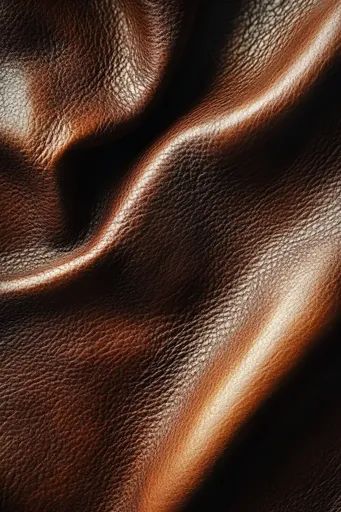
Leather has long been associated with luxury, durability, and timeless style—but at a growing environmental and ethical cost. As conscious consumerism rises, plant-based leather has emerged as a powerful alternative, offering sustainability without compromising on aesthetics.
So, what exactly is plant-based leather, how is it made, and could it really replace traditional leather in the fashion industry? Let’s dive in.
What Is Plant-Based Leather?
Plant-based leather is a bio-based alternative to animal leather made from various organic materials. Unlike synthetic “vegan” leathers (often petroleum-based), these materials are derived from renewable plant sources.
Common Types of Plant-Based Leather:
-
Pineapple Leather (Piñatex): Made from pineapple leaf fibers.
-
Mushroom Leather (Mylo): Derived from mycelium, the root structure of mushrooms.
-
Apple Leather: Created from apple waste from the food industry.
-
Cactus Leather: Uses mature cactus leaves with minimal water usage.
-
Grape Leather (Vegea): Sourced from wine industry leftovers like skins and stems.
Each material has its own texture, durability, and environmental impact, but all aim to reduce the harm caused by animal agriculture and plastic-based alternatives.
Why the Fashion Industry Is Turning to Plant-Based Leather
1. Sustainability
Traditional leather production is resource-intensive and highly polluting. It involves:
-
Massive water usage
-
Toxic chemical tanning
-
Greenhouse gas emissions from livestock farming
Plant-based leather uses agricultural waste and less water, reducing overall environmental footprint.
2. Cruelty-Free Appeal
For ethical consumers, plant leathers offer a stylish, animal-free alternative that aligns with vegan values.
3. Biodegradability
Unlike synthetic leathers that take centuries to break down, many plant-based materials are biodegradable or recyclable—closing the loop in fashion’s waste cycle.
4. Innovation & Brand Support
Major brands like Stella McCartney, Adidas, and Hermès are experimenting with materials like Mylo and Piñatex, signaling serious industry interest.
Challenges Plant-Based Leather Still Faces
While promising, plant-based leather is still evolving.
Durability Concerns
Some materials aren’t yet as durable as animal leather, especially in high-wear applications like footwear or outerwear.
Production Scale
Producing plant leather at a global, affordable scale remains a challenge. Many materials are still limited to small runs or luxury markets.
Chemical Additives
To enhance strength and flexibility, some plant leathers use plastic-based binders, reducing their eco-friendliness. More innovation is needed for 100% biodegradable solutions.
Is It the Future of Fashion?
The short answer: Yes—with continued innovation.
Plant-based leather is already reshaping how we think about fashion materials. As technology improves, it’s expected to become more durable, scalable, and accessible, making it a real contender to replace both traditional leather and synthetic alternatives.
Consumers are increasingly demanding sustainability, and brands are responding. With investment and innovation, plant leather could become the default material for bags, shoes, jackets, and more in the next decade.
How to Shop for Plant-Based Leather
Top Brands Using Plant Leather:
-
Stella McCartney – pioneer in luxury vegan fashion.
-
Hugo Boss – uses Piñatex in select shoe lines.
-
Allbirds – experimenting with sustainable materials including plant leather.
-
Cactus Leather Bags by Desserto® – gaining popularity for their look and feel.
Tips for Ethical Shopping:
-
Look for materials that are certified biodegradable or recycled.
-
Check for transparency around chemical additives or binders.
-
Support brands committed to sustainability, not just trend adoption.
Conclusion:
Plant-based leather is more than a trend—it’s a movement. While it’s not a perfect solution (yet), it represents a meaningful step toward a more ethical, sustainable fashion industry. As innovation continues, the future of fashion could very well be rooted in plants.