
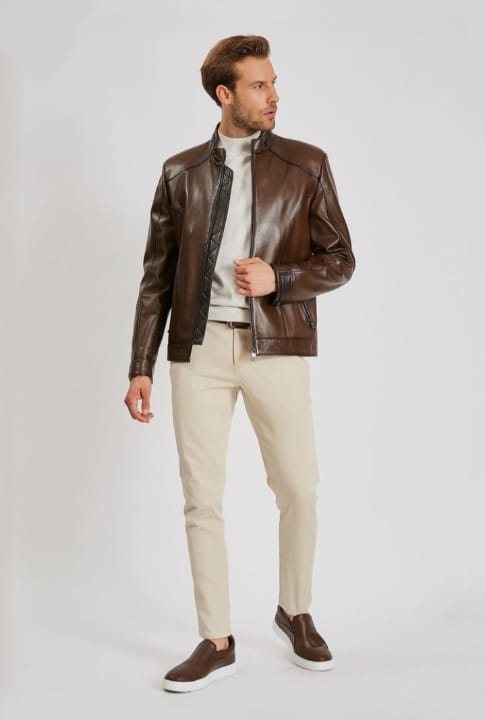
Microflber leather is rapidly gaining popularity as a versatile and sustainable alternative to traditional leather. Known for its exceptional durability, eco-friendliness, and aesthetic appeal, microfiber leather has become a staple in various industries, including fashion, furniture, and automotive. But what exactly is microfiber leather, and why is it becoming a go-to choice for consumers and manufacturers alike? Let’s dive into the details.
What is Microfiber Leather?
Microfiber leather is a synthetic material crafted from ultra-fine polyester fibers and polyurethane resin. These fibers are densely woven together to mimic the texture and appearance of genuine leather. Despite being synthetic, microfiber leather is designed to replicate the softness, durability, and luxurious feel of natural leather.
Benefits of Microfiber Leather
Eco-Friendly Alternative
One of the standout features of microfiber leather is its minimal environmental impact. Unlike traditional leather, which involves animal hides and chemical-intensive tanning processes, microfiber leather eliminates the need for animal products. Additionally, it produces less waste and requires fewer resources during manufacturing.
Durability
Microfiber leather is highly resistant to wear and tear, making it ideal for long-lasting products. It is waterproof, scratch-resistant, and less prone to fading or cracking over time, ensuring that your items maintain their quality even after years of use.
Lightweight and Flexible
Compared to genuine leather, microfiber leather is significantly lighter and more flexible. This makes it an excellent material for clothing, accessories, and upholstery, offering comfort and ease of handling.
Cost-Effective
While maintaining the premium look and feel of genuine leather, microfiber leather comes at a more affordable price. This makes it accessible to a broader audience without compromising on style or quality.
Customizable Design
Microfiber leather can be easily dyed and textured, allowing manufacturers to create unique designs and finishes. From vibrant colors to intricate patterns, the customization possibilities are endless.
Applications of Microfiber Leather
Fashion Industry
Microfiber leather is widely used in crafting shoes, bags, and jackets. Its durability and aesthetic appeal make it a popular choice for high-end and everyday fashion items.
Furniture and Upholstery
Its water resistance and ease of maintenance make microfiber leather ideal for sofas, chairs, and car interiors. It offers a sleek, modern look while being practical for daily use.
Automotive Industry
In vehicles, microfiber leather is often used for seat covers, steering wheels, and dashboards. Its ability to withstand extreme temperatures and prolonged use ensures a longer lifespan.
Microfiber Leather vs. Genuine Leather
While genuine leather has its timeless appeal, microfiber leather holds its own due to its sustainability, cost-efficiency, and versatility. Additionally, for individuals seeking cruelty-free products, microfiber leather is an ethical choice without compromising quality or aesthetics.
Caring for Microfiber Leather
One of the most appealing aspects of microfiber leather is its low-maintenance nature. Here are some tips to keep it in top condition:
- Cleaning: Use a damp cloth to wipe off dirt and stains. For tougher stains, a mild detergent works wonders.
- Avoid Sharp Objects: While it is scratch-resistant, sharp objects can still cause damage.
- Store Properly: Keep microfiber leather items in a cool, dry place away from direct sunlight to prevent discoloration.
Microfiber leather is revolutionizing the way we think about materials. Combining sustainability, durability, and style, it offers an excellent alternative to genuine leather for conscious consumers. Whether you’re looking for eco-friendly fashion or durable upholstery, microfiber leather is a smart and modern choice that doesn’t compromise on quality.
As industries and individuals continue to prioritize sustainability, microfiber leather is poised to become a leading material in the years to come. It’s not just a trend—it’s the future.