
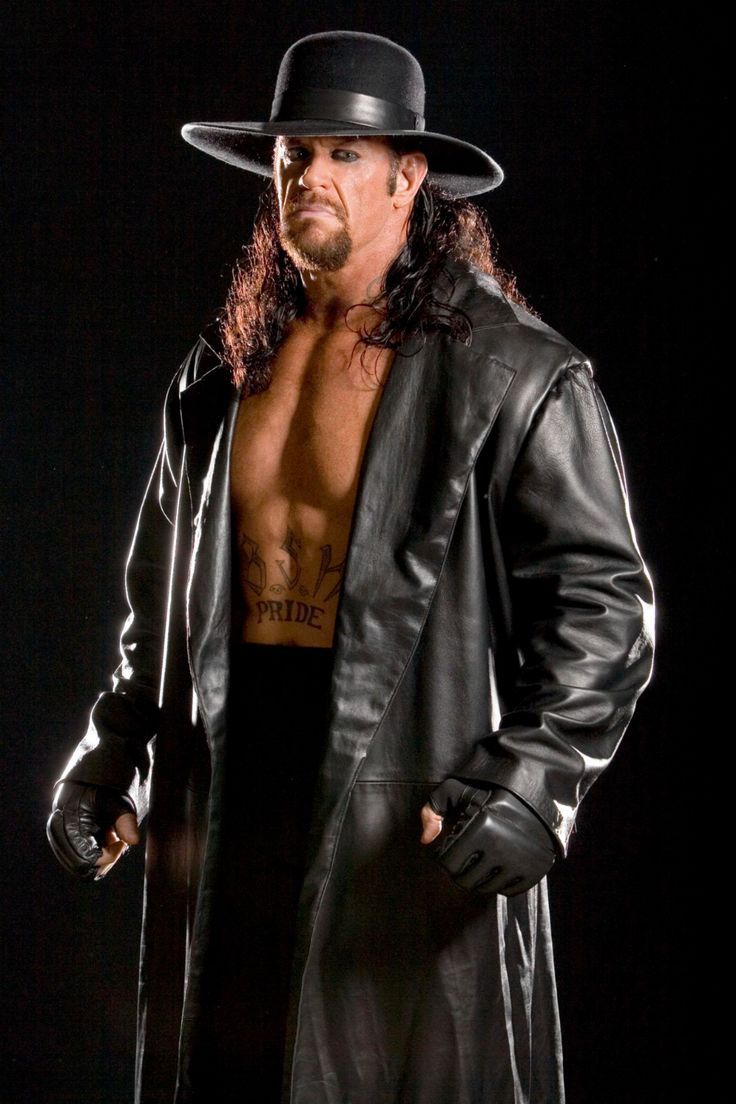
The leather jacket is one of fashion’s most iconic garments, seamlessly blending function, rebellion, and style. From its utilitarian origins during World War II to its dominance on high-end runways today, the leather jacket has undergone a remarkable transformation.
In this post, we trace the leather jacket’s evolution through history—and uncover why it remains a must-have piece in modern wardrobes.
1. The Military Origins: WWII and Utility
Flight Jackets (Bomber Jackets)
The leather jacket made its first major appearance in the early 20th century, but it gained widespread popularity during World War II with the introduction of the A-2 flight jacket. Worn by U.S. Army Air Corps pilots, this jacket was built for warmth, durability, and mobility at high altitudes.
Key features:
-
Cowhide or horsehide leather
-
Ribbed cuffs and hems
-
Front flap pockets
-
Shearling collars (in B-3 models for colder missions)
These jackets became a badge of honor—symbols of bravery and military service.
2. 1950s: The Rise of the Rebel
After WWII, surplus flight jackets made their way into civilian wardrobes. But it was Hollywood that cemented the leather jacket’s new identity.
Marlon Brando in The Wild One (1953)
Brando’s portrayal of a biker gang leader, clad in a black leather Perfecto motorcycle jacket by Schott NYC, redefined the jacket as a symbol of rebellion. Teens across America embraced the look.
James Dean in Rebel Without a Cause (1955)
Dean’s clean-cut yet defiant style made the leather jacket a uniform for youth rebellion.
3. 1960s–70s: Rock ’n’ Roll and Counterculture
By the ’60s and ’70s, the leather jacket was embraced by rock stars and anti-establishment movements.
Key Influencers:
-
The Ramones: Black leather jackets became their signature look.
-
Punk Rockers: Studded, patched, and customized jackets expressed defiance and individuality.
-
Mods and Bikers: Wore leather as both fashion and identity.
4. 1980s: Glam, Pop, and Action Heroes
The 1980s saw leather jackets take on new dimensions:
In Pop Culture:
-
Michael Jackson‘s red leather jacket in “Thriller” became iconic.
-
Madonna popularized cropped and feminine takes on the biker jacket.
In Film:
-
Indiana Jones and The Terminator made rugged leather jackets the look of cinematic masculinity and power.
5. 1990s–2000s: Minimalism Meets Grunge
The leather jacket remained relevant as fashion evolved:
-
Grunge era: Oversized and distressed leather jackets fit the slouchy, rebellious aesthetic.
-
Matrix era: Long leather dusters became futuristic staples thanks to sci-fi’s influence.
Luxury designers also began reinterpreting the leather jacket—Helmut Lang, Rick Owens, and others turned it into a high-fashion staple.
6. 2010s–2020s: Luxury, Diversity, and Sustainability
Modern Fashion Runways
Designers now treat the leather jacket as a canvas for innovation:
-
Balmain and Saint Laurent deliver sharp, tailored versions.
-
Off-White and Vetements experiment with deconstruction, logos, and volume.
Inclusive Styling
There are now leather jackets for every body type, gender expression, and personal aesthetic, from minimalist to avant-garde.
The Rise of Vegan and Plant-Based Leather
With sustainability at the forefront, many brands now offer eco-friendly leather alternatives, proving that the jacket can evolve with the times.
7. Today: A Timeless Symbol of Style
From its rugged military beginnings to runways and street style across the globe, the leather jacket is more than a garment—it’s a symbol of freedom, edge, and timeless cool.
Whether worn with jeans and boots or layered over a silk dress, the leather jacket continues to be a defining piece in modern fashion—and it’s not going out of style any time soon.
Final Thoughts
The leather jacket’s evolution tells a story not just about fashion, but about culture, politics, rebellion, and reinvention. Its journey from functional military gear to luxury fashion icon proves that true style never fades—it adapts.